


 English
 中文简体
中文简体 русский
 Español
Sep 21,2026
0.27 oz converts to 7.98 ml in the US fluid-ounce system. If you are merchandising a sample vial, labeling a hand sanitizer, or calibrating a pump stroke, that number is the one you need to design against. The rest of this article explains what the number means, how it changes when you move to imperial ounces, and where it fits in real packaging decisions.
Content
The Exact Conversion for 0.27 oz to ml
Here is the direct answer and a few nearby reference points. The conversion uses the US fluid ounce, which is the standard for cosmetic and pharmaceutical bottles sold in North America. One US fluid ounce equals 29.5735295625 ml, so 0.27 oz is 7.98485 ml. For practical work, call it 7.98 ml or 8 ml.
| Ounces | Milliliters |
|---|---|
| 0.20 | 5.91 |
| 0.25 | 7.39 |
| 0.27 | 7.98 |
| 0.30 | 8.87 |
| 0.50 | 14.79 |
| 1.00 | 29.57 |
If you are working with British imperial measurements, the picture shifts because an imperial fluid ounce is 28.4130625 ml. That puts 0.27 imperial oz at 7.67 ml. The difference is about 0.31 ml, which is small but can matter in a 8 ml bottle where every drop counts.
Weight Ounces Are Not the Same as Fluid Ounces
People type "0.27 oz to ml" for two different reasons: converting a fluid volume or converting a weighed portion. If the 0.27 oz is a fluid ounce, the answer is 7.98 ml. If it is an ounce of mass, the answer depends on the density of the liquid.
Water and water-based formulas have a density near 1 g/ml, so a 0.27 oz mass is about 7.65 g, which takes up roughly 7.65 ml. Alcohol, oils, and fragrances have lower or higher densities. For example, 0.27 oz of denatured alcohol (density about 0.79 g/ml) takes up about 9.7 ml. That kind of difference changes how much product fits in a vial and how a filler sets the target fill weight.
How to Calculate Mass-Based Conversion
When you know the mass in ounces, convert it to grams by multiplying by 28.35. Then divide by the density in g/ml:
- 0.27 oz x 28.35 = 7.65 g
- 7.65 g / 1.0 g/ml (water) = 7.65 ml
- 7.65 g / 0.79 g/ml (alcohol) = 9.68 ml
This distinction matters most for concentrates, fragrance oils, and herbal extracts that are quoted by weight. A fill specification written in fluid ounces is not interchangeable with one written in weight ounces unless the density is fixed in the contract.
Where a 7.98 ml Volume Shows Up in Dispensing and Packaging
An 8 ml bottle is a common footprint for samples, travel sizes, and testers. In that context, the pump is the real unit of measure. A fine mist sprayer with a 0.12 cc output delivers 0.12 ml per stroke, so it takes about 66 strokes to reach 7.98 ml. A 2cc screw pump needs 4 strokes. A 4cc lotion pump needs 2 strokes. The number you quote to a filler or a mold maker is the per-stroke dose, not just the bottle capacity.
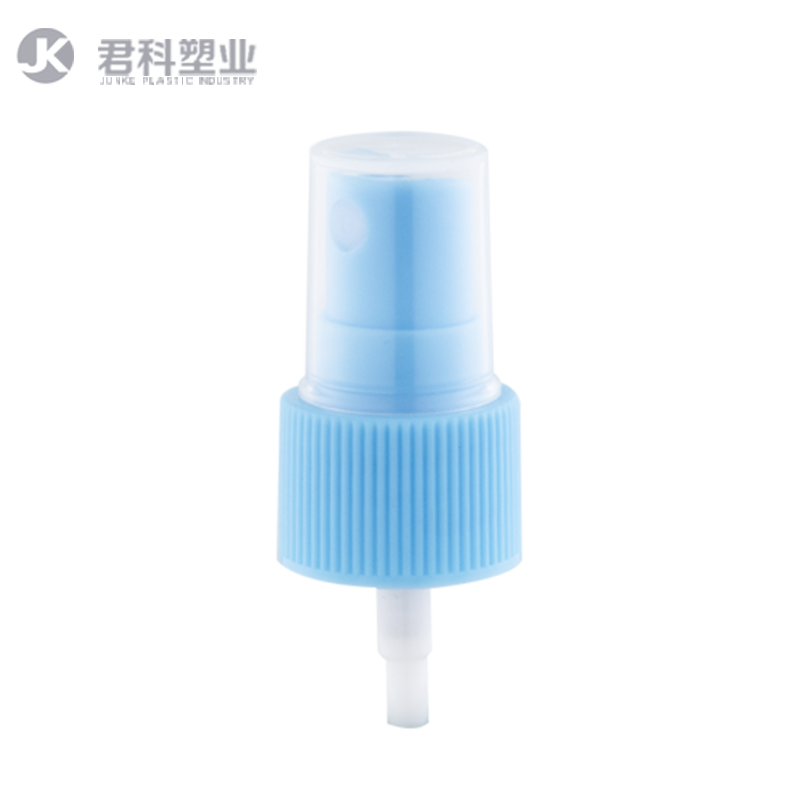 PP Plastic Fine Mist Sprayer in Black and White with Multiple Neck SizesThis spray pump features an 18 mm nozzle and PP construction, delivering a fine, even mist. It suits small 8 ml bottles with a 0.12 cc output per stroke, making it ideal for samples and travel sizes.View Product →
Just as important as the dose is the seal. The PE gasket, rubber ring, and glass ball inside the pump keep the liquid from leaking when the bottle is upside down and help the pump re-prime after the first stroke. For a small 8 ml bottle, a leaking gasket wastes a meaningful share of the contents. A thorough understanding of how a mist pump works helps you diagnose priming problems before they reach the shelf. For a technical walkthrough, see how mist pump atomization works.
The headspace in the bottle also affects the dose. If the neck is 20/410 and the dip tube is too long, the tube may sit above the bottom curve. A 7.98 ml fill that looks complete in a 8 ml bottle might leave less than a full stroke at the end. That is why the pump outlet, dip tube length, and bottle bottom radius should be evaluated together when you specify a small container.
Choosing a Dispenser for a 0.27 oz Container
Start with the finish. A 8 ml vial can be fitted with 18/410, 20/410, or 24/410 closures. Then match the per-stroke output to the product. A perfume sample should use a fine mist pump with low output per stroke so the user can control the spray. A hand sanitizer might use a 0.2 cc or 0.3 cc mist pump. A lotion or gel would use a larger screw pump or a 4cc lotion pump.
| Pump Type | Output per Stroke | Strokes for 7.98 ml |
|---|---|---|
| Fine mist sprayer | 0.12 cc | about 66 |
| Fine mist sprayer | 0.20 cc | about 40 |
| Screw pump | 2 cc | 4 |
| Lotion pump | 4 cc | 2 |
Tolerance is a separate concern. A 4cc lotion pump may vary by plus or minus 0.1 to 0.2 ml per stroke depending on the spring, ball, and gasket. Over 2 strokes, that adds up to 0.4 ml on an 8 ml bottle. If the specification is tight, request a dosage test with your actual liquid, not water, and ask the factory which spring and PE gasket options improve repeatability.
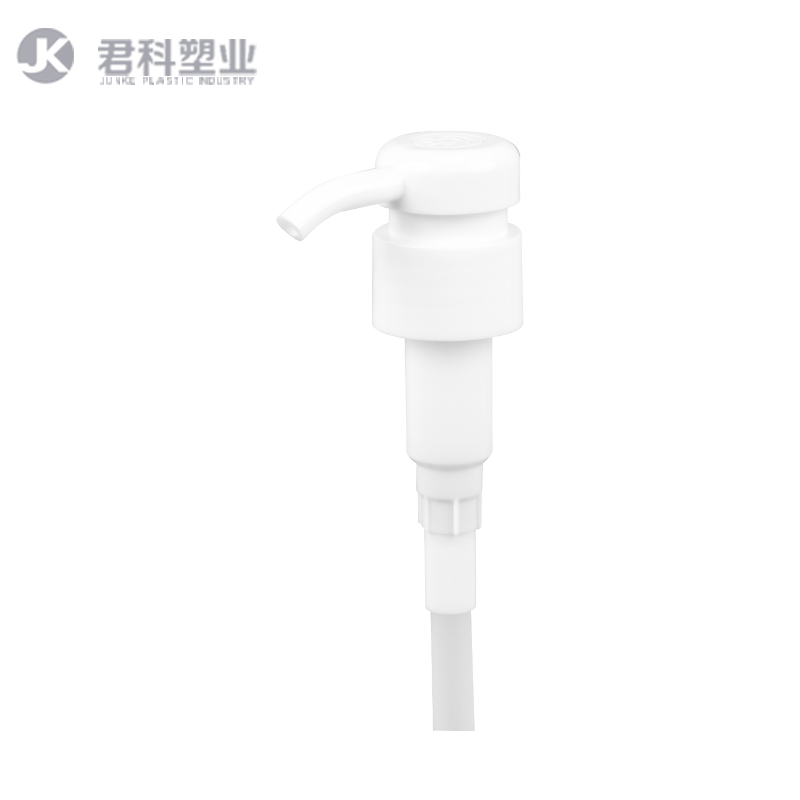 2cc Screw Lotion Pump for 28/410 and 33/410 Personal Care BottlesThis pump provides a consistent 2 cc dose per stroke, suitable for thicker products and hand wash refills. Its piston and spring design influences repeatability, fitting common 28/410 and 33/410 closures.View Product →
A 2cc screw pump is often the right choice for shorter bottles and thicker products. It is also common for hand wash refills because the closure size matches widely available 28/410 and 33/410 bottles. The dosage is measured by the piston and the spring, so the spring material and wire diameter influence how many full doses you get before the valve sticks.
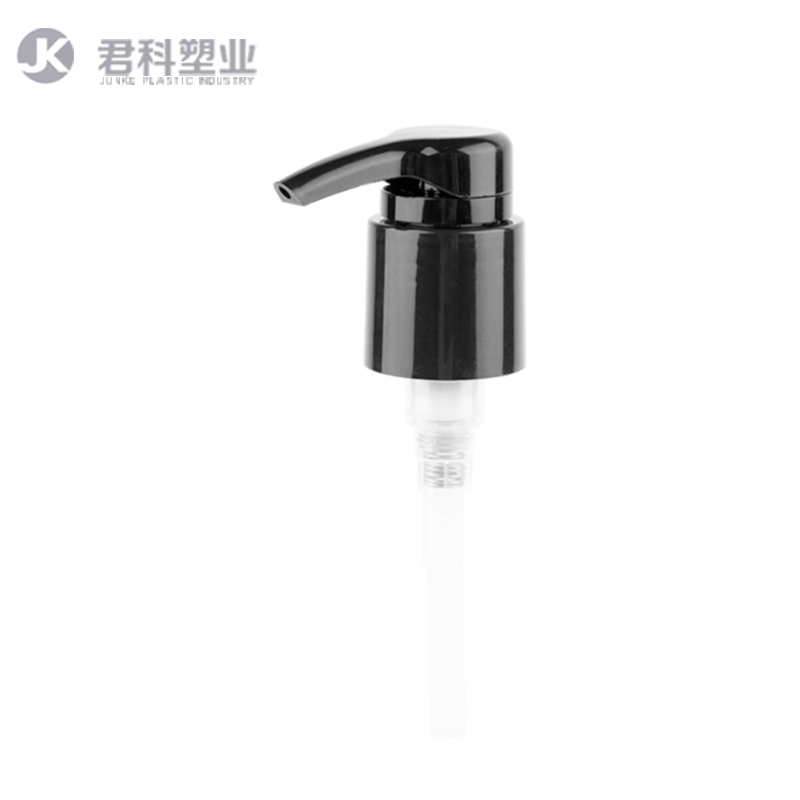 4cc Lotion Dispenser Replacement Pump with 28/410 Thread for High Viscosity LiquidsThis 4 cc pump enables faster dispensing for skincare or body wash. With a 28/410 closure, it reduces stroke count, but check dip tube length for short bottles to ensure complete liquid draw.View Product →
For a faster fill on skincare or body wash, a 4cc pump reduces the stroke count. A bottle with a 28/410 thread is the usual pairing, and the pump can be desegregated for cleaning before the cap is installed. If you choose a 4cc pump for an 8 ml container, check the dip tube length. A short bottle may need a custom tube so the pump can draw the last few milliliters. Lotion pump users should also know the common precautions for lotion pump use to avoid leaks and air intake.
How to Confirm 7.98 ml Yourself
If you want to verify the conversion without a calculator, use a 10 ml syringe. Draw the liquid up to the 8 ml mark and compare that to the 0.27 oz marking on the bottle. For pump testing, prime the pump fully, then pump into the syringe and count the strokes. For a pump rated at 0.12 cc, you should see roughly 8 ml after about 66 strokes. That result tells you whether the pump matches the label and whether the gasket is sealing properly.
Keep in mind that volume expands and contracts with temperature. Water is most dense at about 4°C, while room temperature increases the volume slightly. In a mass-production filling line, the difference is usually negligible, but a laboratory check on a hot or cold day can shift the reading by a fraction of a milliliter. If the product contains alcohol, the expansion is more noticeable, so it is best to set the calibration in the same room and at the same formula temperature you use in production.
The number 0.27 oz = 7.98 ml is small but it drives real decisions: how much liquid fits in the vial, how many pump strokes a tester gets, and how tight the leak tolerance must be. Use that figure when you compare closures, order custom molds, or audit an incoming sample. Keep the fluid-ounce and mass-ounce distinction in mind, match the pump output to the product type, and verify the dose with a syringe before you commit a filling line.