


 English
 中文简体
 русский
 Español

Oct 19,2026
When you’re formulating a new skincare line or filling travel-sized bottles, knowing exactly how much liquid fits in each container is non-negotiable. The conversion from milliliters to fluid ounces — especially the common question “60ml to oz” — comes up constantly in our daily work with cosmetic and pharmaceutical packaging. As a manufacturer that has supplied pump components and finished dispensing systems to brands around the world, we’ve seen firsthand how a small miscalculation can disrupt production or confuse end users. Let’s break down this conversion clearly, and then connect it to the real-world hardware that makes precise dispensing possible.
Content
60ml to oz: The Simple Answer
60 milliliters (ml) equals approximately 2.03 US fluid ounces (fl oz). In the US customary system, 1 fluid ounce is defined as 29.5735 ml, so the math is straightforward:
60 ÷ 29.5735 ≈ 2.0288 fl oz.
For most practical purposes — labeling a bottle, selecting a pump head, or planning batch volumes — rounding to 2.0 oz is acceptable. However, if you’re working with alcohol-based perfumes or concentrated active ingredients, we recommend using the exact figure to maintain consistency across production runs.
Why This Conversion Matters in Packaging
In our years of designing and manufacturing pump systems, we’ve noticed that the “60ml to oz” query often comes from brand owners who are deciding on bottle sizes and matching pump dosages. A 60ml (2 oz) bottle is a standard size for serums, toners, hand sanitizers, and even some pharmaceutical liquids. The pump you choose must deliver a consistent dose — typically measured in cc (cubic centimeters) or ml — that matches the bottle’s volume and the product’s intended usage.
For example, a 4cc lotion pump dispenses about 4 ml per stroke. If your bottle holds 60 ml, that pump will deliver roughly 15 strokes per bottle. This kind of alignment is critical for both user experience and cost efficiency. We often work with clients to calibrate their pump output to the exact milliliter or ounce requirement of their final product.
Common Volume Conversions at a Glance
| Milliliters (ml) | US Fluid Ounces (fl oz) | Common Usage |
|---|---|---|
| 30 ml | 1.01 fl oz | Sample / travel size |
| 50 ml | 1.69 fl oz | Perfume, face serums |
| 60 ml | 2.03 fl oz | Standard skincare bottle |
| 100 ml | 3.38 fl oz | Lotion, hand sanitizer |
| 150 ml | 5.07 fl oz | Body wash, shampoo |
| 200 ml | 6.76 fl oz | Conditioner, cleaner |
From Volume to Dispensing Precision
Understanding “60ml to oz” is only the first step. The real challenge is maintaining accuracy every time a consumer presses the pump. Over the years, we’ve engineered thousands of pump variations — from 2cc screw pumps to 4cc lockable lotion pumps — to meet tight tolerances. For a 60ml container, a pump that delivers 0.1 ml per press would take 600 strokes to empty, which is impractical. That’s why most brands choose a pump with a discharge volume between 1 cc and 4 cc, depending on the product’s viscosity and usage frequency.
Our 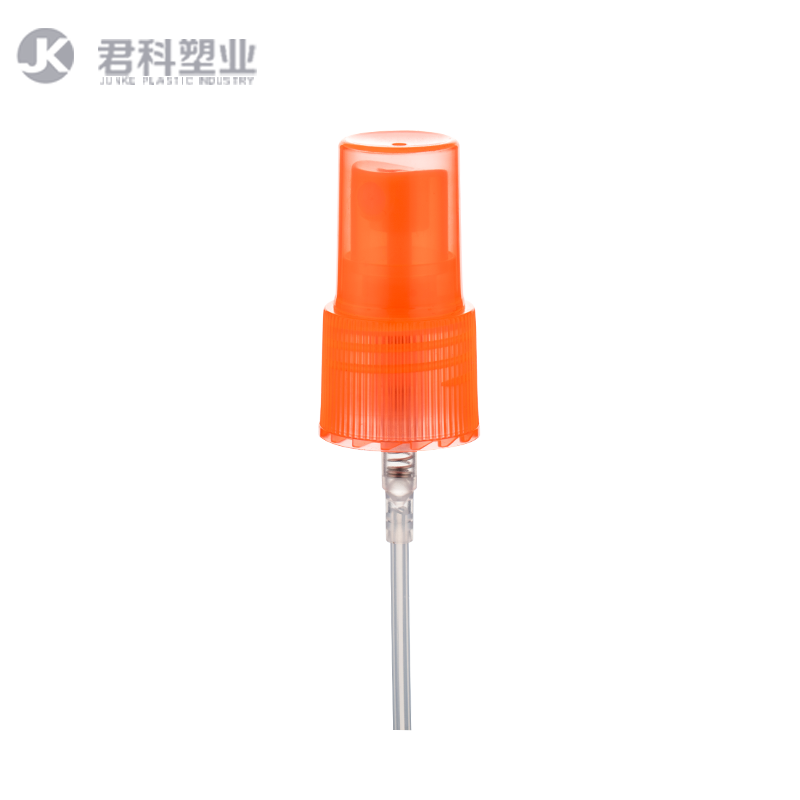 Plastic Fine Mist Sprayer 0.12cc Output for Perfume and SanitizerThis fine mist sprayer precisely delivers 0.12 cc per stroke, making it ideal for perfumes and hand sanitizers on standard 20/410 or 24/410 60ml bottles.View Product →plastic fine mist sprayer, for instance, offers a 1.2 cc output — ideal for perfumes and hand sanitizers where a fine mist is desired. It fits standard 20/410 and 24/410 neck finishes, common on 60ml glass and PET bottles. Similarly, the
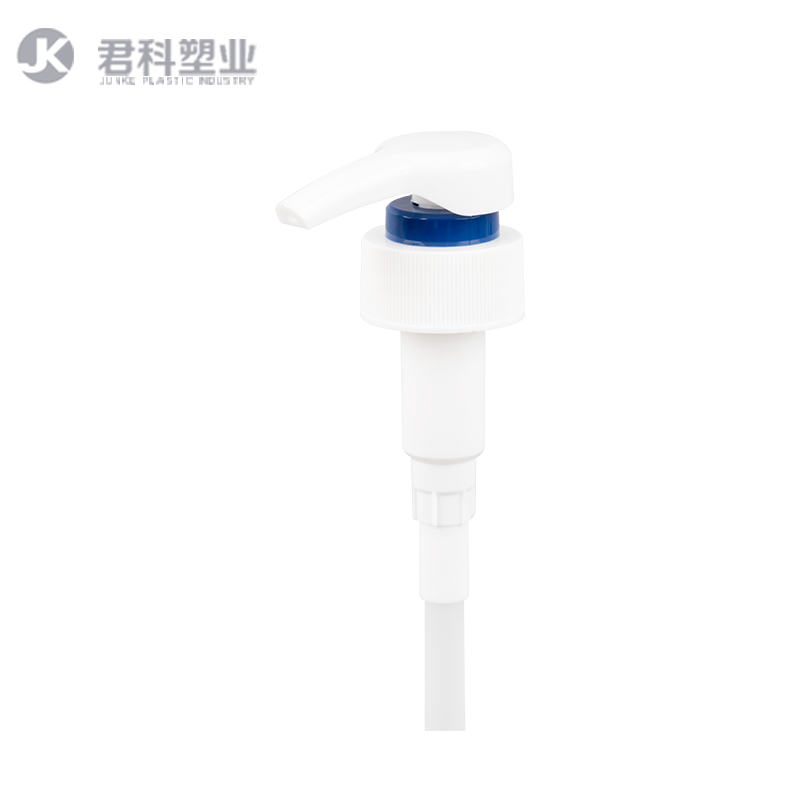 4cc Lotion Pump for Thick Creams and Lotions 28/410With a 4cc output per press, this lotion pump suits thicker creams and lotions, providing a full palm-sized dollop for 60ml containers.View Product →4cc lotion pump is a go-to for thicker creams and lotions in 60ml containers, ensuring a full palm-sized dollop with each press.
Practical Tips When Choosing a Pump for a 60ml Bottle
- Match the neck finish. A 60ml bottle often comes with a 20/410, 24/410, or 28/410 neck. Select a pump that fits exactly.
- Consider the product viscosity. Thin liquids (toners, disinfectants) work best with mist sprayers or low-viscosity lotion pumps. Thick creams require a wide-bore pump like a 4cc model.
- Check the dip tube length. The tube must reach the bottom of the 60ml bottle to avoid wasting product.
- Lock mechanism matters for travel. Customers love a pump with a twist-lock or clip-lock when they toss a 60ml bottle into a bag.
Our 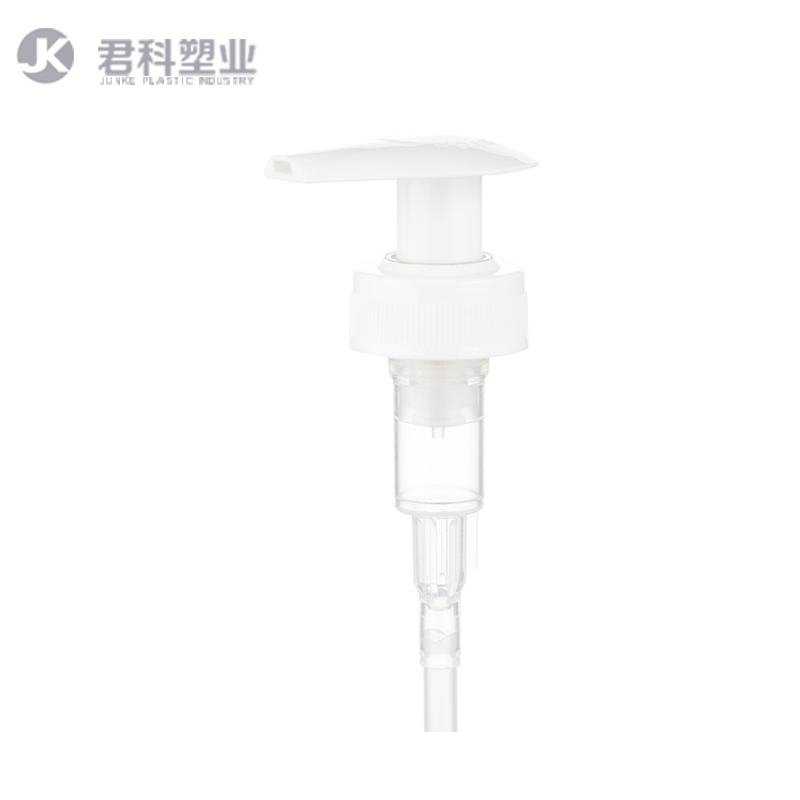 Leak-Proof Lotion Pump with Right-Left Lock and 2cc OutputThis pump features a right-left lock system to prevent spills and delivers a consistent 2 cc per stroke, perfectly matched for 60ml hand wash or shampoo bottles.View Product →leak-proof switch pump is a perfect example: it features a right-left lock system that prevents accidental spills, and it delivers a consistent 2 cc per stroke — well-suited for 60ml hand wash or shampoo bottles.
Why Accuracy Matters in B2B Supply
When you’re ordering hundreds of thousands of pumps, even a 0.1 ml deviation per stroke can lead to significant over‑ or under‑fill across a batch. This is where our quality control processes come into play. We test each pump produced — from the micro sprayer to the lotion pump — to ensure that the actual discharge volume matches the advertised spec. For a 60ml bottle, if you specify a 2cc pump, you can trust that 30 strokes will empty the container exactly, ounce for ounce.
We’ve also developed custom solutions for brands that need odd‑size doses (e.g., 0.8 ml or 3.5 ml) to meet local labeling regulations. Whether you’re calculating in milliliters or fluid ounces, our engineering team can fine‑tune the pump geometry to hit your target.
Final Thoughts
The next time you search for “60ml to oz,” remember that the number on your label is only as good as the pump behind it. A precise conversion ensures regulatory compliance and customer trust, but a high‑quality pump ensures every last drop is dispensed as intended. We encourage you to explore our range of pumps and accessories — each engineered with decades of industry experience to make your packaging work flawlessly.