


 English
 中文简体
中文简体 русский
 Español
Oct 05,2026
When a product developer starts looking for 1 ml glass vials, the conversation rarely stays on the vial itself. The real questions are about the pump, the seal, and the ball that sits inside the neck. Those components decide whether a sample disperses cleanly, stays airtight, and survives a month on a retail counter. As a factory that supplies pump parts and complete pump assemblies, we recommend evaluating these components before the glass order.
Content
- 1 What 1 ml Glass Vials Are Used For and Why the Components Matter
- 2 Critical Specifications to Check When Sourcing 1 ml Glass Vial Accessories
- 3 Pump and Nozzle Options for 1 ml Glass Vials
- 4 Seals and Gaskets: Preventing Leaks at the Neck
- 5 Rolling Balls and Valve Balls for Specialized 1 ml Vials
- 6 OEM/ODM and Batch Purchasing Considerations for Small Vial Components
- 7 Final Decision Framework
What 1 ml Glass Vials Are Used For and Why the Components Matter
One-milliliter glass vials are the standard format for perfume samples, cosmetic trial sizes, and pharmaceutical reference standards. Each use case has a different dosage requirement: a fragrance sample relies on a fine mist pump that delivers about 0.12 cc per stroke, while a serum sample may need a roller ball that transfers a thin film without dripping. The glass bottle is only the outer shell. What creates the actual user experience is the pump head, spring, gasket, and ball component installed in the neck.
A mismatch in these parts produces the failures buyers complain about most often: clogs, leaks, inconsistent dosing, and oxidation of the contents. For a 1 ml vial with a very small liquid volume, even a tiny leak can dry out the product within days. That is why the selection of the pump and sealing system is not a detail afterthought; it is the core decision that determines whether the product meets the label claim.
Critical Specifications to Check When Sourcing 1 ml Glass Vial Accessories
Before sourcing, compare the three functional parts that touch the liquid and the consumer: the pump or sprayer head, the sealing gasket, and the valve or rolling ball. The table below summarizes the key parameters and the risks associated with cutting corners.
| Component | Key Standard | Common Risk |
|---|---|---|
| Fine mist pump | 0.12–0.2 cc output, 18/410–24/410 neck | Droplet size variance, uneven spray, clogging |
| PE foam gasket | Chemical resistance, high tensile strength | Leakage, evaporation, contamination |
| Glass or PP ball | Precision grade (e.g., G10), smooth surface finish | Rough rolling, jamming, poor dispensing |
| Spring | 304/316 stainless steel, consistent compression | Loss of recovery, inconsistent stroke return |
A pump that claims a 0.2 cc dose may actually deliver 0.18 cc on some strokes with poorer spring quality. When you are filling only 1 ml of expensive perfume or active serum, that 10% inconsistency is immediately visible to the user. Similarly, a gasket that is too thin or made from a non-reactive material cannot maintain an airtight seal around the neck, which leads to product loss and shelf-life failures.
Pump and Nozzle Options for 1 ml Glass Vials
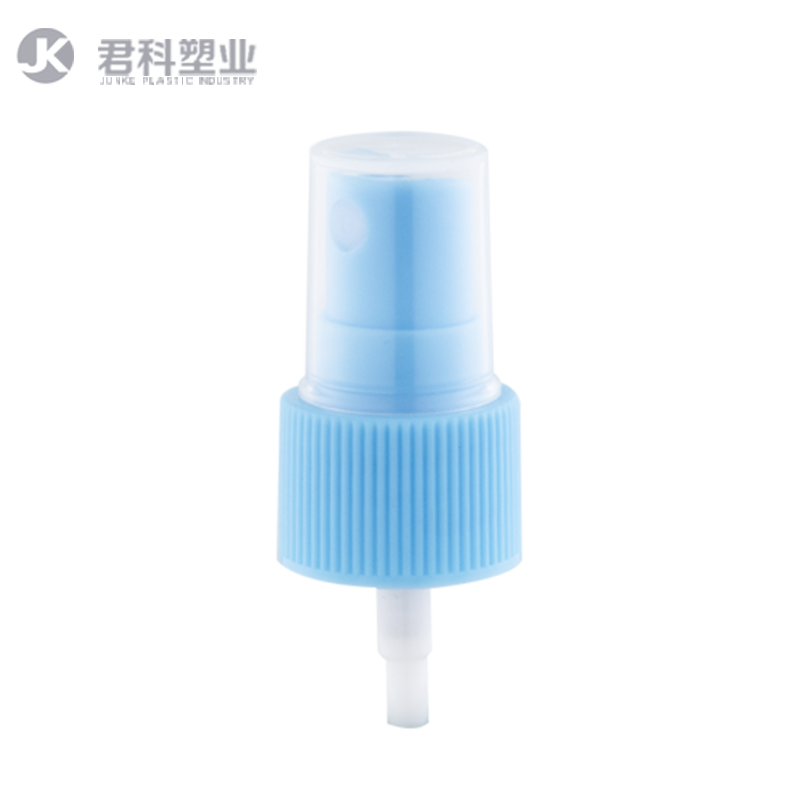 PP Plastic Fine Mist Sprayer with 18mm Nozzle for Small VialsThis spray pump features an 18mm PP nozzle that delivers a fine, even mist. With a 0.12cc dose per stroke, it provides consistent atomization for 1ml perfume samples or serums, ensuring precise application.View Product →
For 1 ml glass vials used as spray samples, the most practical choice is a micro sprayer or fine mist pump. These components are designed to work with small bottle volumes and produce a consistent fine mist across multiple strokes. The key metrics are the dose per press and the atomization quality. A pump that delivers 0.12 cc per stroke gives you enough product to spray about eight times from one vial, which is ideal for a perfume trial.
The neck diameter must match the vial opening. Common sizes for 1 ml vials are 18/410, 20/410, and 24/410. A sprayer head that is even 1 mm larger than the neck will fail to seal and cause leaks. The material of the nozzle also matters: a metal or aluminum collar can add a premium feel, while polypropylene collars provide chemical compatibility with alcohol-based fragrances and sanitizers.
Seals and Gaskets: Preventing Leaks at the Neck
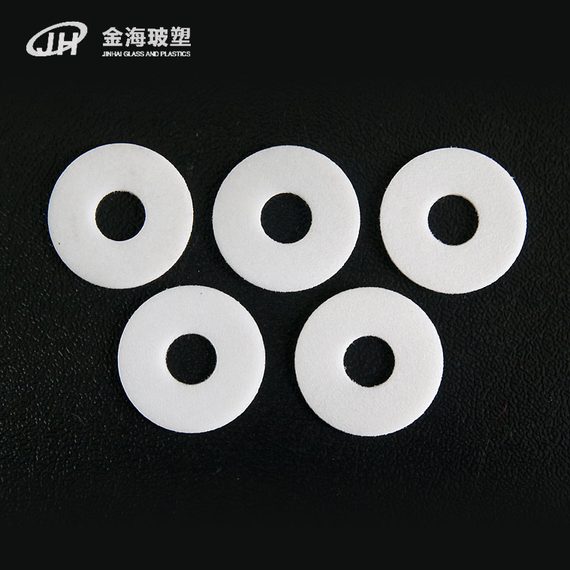 PE Foam Seal Gasket for Cosmetic Bottles and SprayersMade from high-quality PE foam, this gasket creates a reliable seal between pump and bottle. Its smooth surface and customizable size help prevent leakage and evaporation, essential for small vials containing volatile fragrances.View Product →
The gasket is the part most responsible for whether a 1 ml vial remains sealed after the first use. A PE foam gasket offers two critical properties: it compresses under the pump cap to form a continuous seal, and it resists chemical attack from essential oils, solvents, and fragrance compounds. In small vials, the ratio of surface area to liquid volume is high, so even a hairline gap can cause the product to evaporate rapidly.
PE foam gaskets are often used in cosmetic packaging because they can be made in custom thicknesses and can include an aluminum foil layer without changing the sealing characteristics. When screening a supplier, ask about tensile strength and temperature resistance. A gasket that is intended for a 1 ml glass vial must survive the same temperature range as the product itself, which typically includes storage at 40°C during stability testing.
Rolling Balls and Valve Balls for Specialized 1 ml Vials
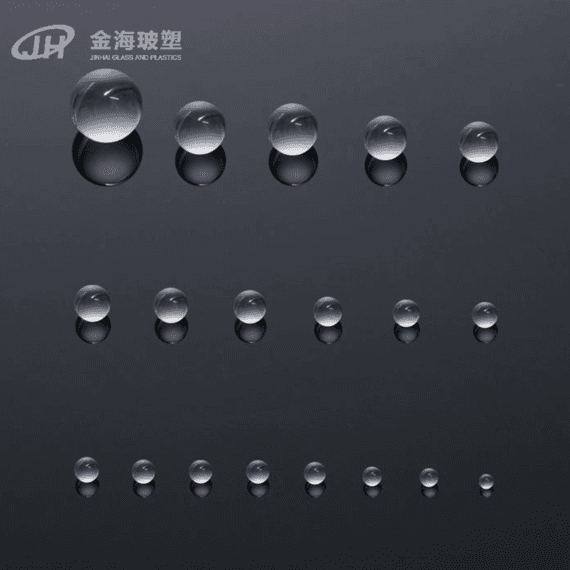
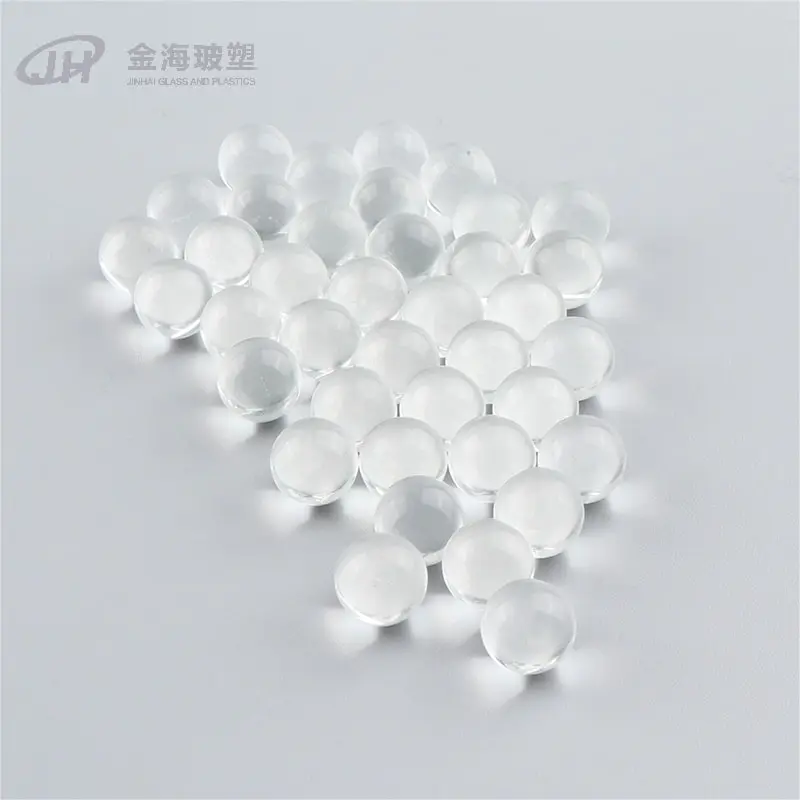
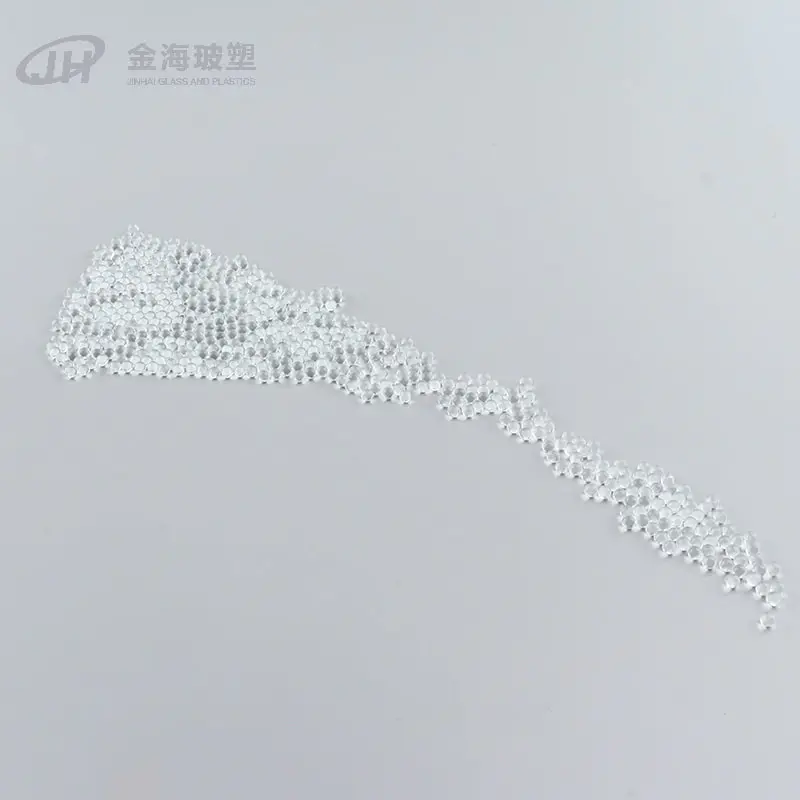
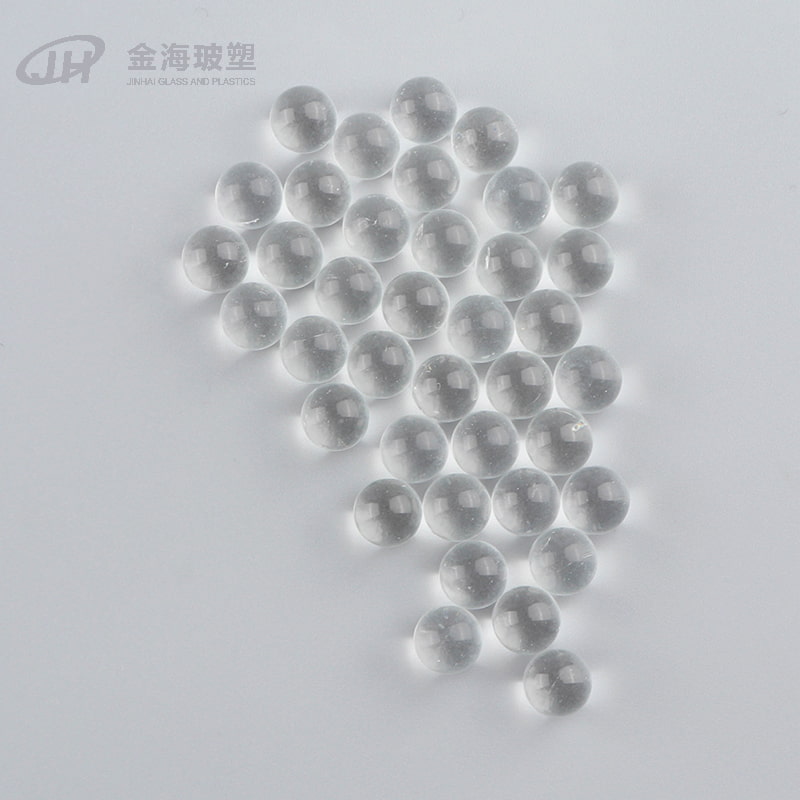
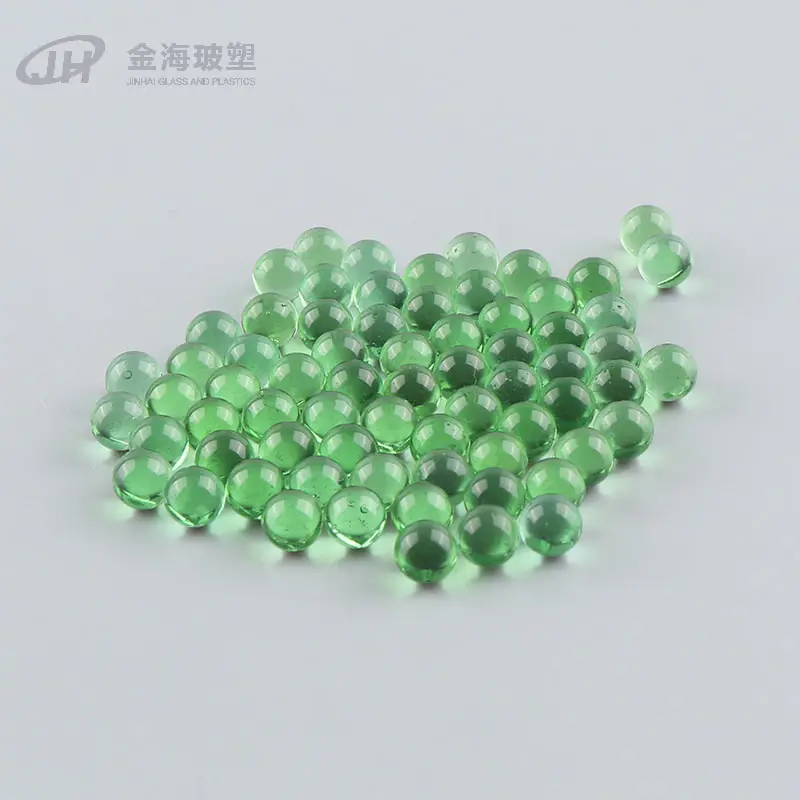 Precision Glass Ball for Smooth Roll-On ApplicationThese high-precision glass balls with smooth surfaces ensure effortless rolling and a tight seal in roll-on vials. Their durability and chemical resistance make them suitable for serums, oils, and other cosmetic products requiring smooth dispensing.View Product →
Not every 1 ml vial uses a spray pump. Roll-on applicators are common for serums, lip gloss, and under-eye products. In these vials, the ball serves two functions: it must permit liquid to flow onto the skin, and it must seal the opening when the cap is closed. A poor ball can wiggle too much, let the product leak, or create a rough sensation during application.
Glass balls with a high precision grade (such as G10) and a smooth surface are preferred for cosmetic roll-on containers. They offer better chemical stability than PP or POM balls when the formula contains alcohol or oil. The diameter must be matched to the vial neck tolerances. A ball that is 0.1 mm too small will rattle; a ball that is too large will stick and cause leaking around the edge. For applications that require a floating ball or a lighter weight, solid PP balls can be selected, but the user should verify that the material does not react with the active ingredients.
OEM/ODM and Batch Purchasing Considerations for Small Vial Components
When you are buying components for 1 ml glass vials, the unit price is rarely the only cost that matters. Tooling, tolerance consistency, and batch-to-batch stability affect how many units will pass the leak test and how many will be returned. A factory that has its own polishing machine line can produce glass balls with day-to-day consistency across millions of units, which directly benefits the assembly line of a 1 ml vial filler.
Before committing to a large batch, run a small trial. Use the exact pump head, gasket, and ball that will be used in production. Fill ten to twenty vials with the actual formula, cap them, and store them at room temperature and at 40°C for one week. Check for weight loss, spray pattern drift, and ball movement. If any sample fails, the supplier should be able to adjust the component size or material without a full retooling cost.
Many suppliers in this category also provide OEM/ODM services. For a brand that wants a custom collar color or a specific dose per stroke, selecting a manufacturing partner with an in-house research and development team shortens the approval cycle. Ask for the actual production capacity and the quality control procedures used for incoming raw materials and final packaged components.
Final Decision Framework
To make a repeatable sourcing decision for 1 ml glass vials, follow this order:
- Define the format first. Is the product a fine mist sample, a roll-on serum, or a fixed-dose pharmaceutical reference?
- Select the pump or ball component that matches the format and neck size. Match the dose per stroke to the intended use.
- Choose the gasket material based on the formula. PE foam is a reliable default for alcohol-based products and cosmetics.
- Confirm chemical compatibility with the actual fill product. Do not substitute materials just to save cost.
- Run a pilot batch with the target pump, gasket, and ball to validate leak rates and dispensing consistency.
By approaching 1 ml glass vials as a system of interacting components rather than a simple container, you can avoid the most common quality issues and deliver a product that performs reliably from the first press to the last drop.