


 English
 中文简体
 русский
 Español

Nov 16,2026
A fluid ounce turns up in almost every packaging brief, product label, and travel-size specification, yet it rarely matches the millilitre figure printed on the bottle in front of you. If you have been staring at a formulator's spreadsheet, a supplier datasheet, or the back of a cosmetic bottle while wondering how to convert 1.0 oz to ml, the answer is simple and exact: 1.0 US fluid ounce equals 29.5735 millilitres, which the packaging world rounds to 30 ml.
That single number has an outsized influence on the way small bottles are designed, filled, dosed, and sealed. A 30 ml container needs a different neck finish, a different pump chamber, and a different internal check valve than a 200 ml shampoo bottle. The small parts inside it, from the glass ball sitting in the check valve to the PE foam gasket under the collar, decide whether the unit leaks inside a traveller's bag or dispenses cleanly down to the last drop. This guide walks through the exact conversion, the three different ounces that cause most of the confusion, and, more practically, how 1.0 oz turns into real decisions on a filling line.
Content
- 1 1.0 oz to ml: The Exact Answer at a Glance
- 2 Three Different Ounces, and Why the Difference Matters
- 3 How to Convert 1.0 oz to ml by Hand
- 4 Why 30 ml Became the Standard for a 1 oz Bottle
- 5 Inside a 1 oz Bottle: The Small Parts That Decide Whether It Works
- 6 Matching a Neck Finish to a 1 oz Bottle
- 7 Dosing Math: How Many Pumps Are in 1 oz of Product
- 8 Building a Complete 1 oz Travel Kit
- 9 Six Conversion and Specification Mistakes to Avoid
- 10 FAQ: 1.0 oz to ml and Small-Bottle Packaging
- 10.1 Is 1.0 oz exactly 30 ml?
- 10.2 How many ml is 1 oz of water?
- 10.3 How many ml is 0.5 oz?
- 10.4 How many ml is 1.7 oz?
- 10.5 Does 1 oz by weight equal 1 oz by volume?
- 10.6 What neck size fits a 1 oz bottle?
- 10.7 How many sprays does a 1 oz bottle give?
- 10.8 Why does a 1 oz pack leak more often than a large one?
1.0 oz to ml: The Exact Answer at a Glance
The US fluid ounce is defined as exactly 29.5735295625 ml. Nearly every specification sheet, label note, and formulation record rounds that to 29.5735 ml, or simply 29.57 ml. So the direct answer is short enough to memorise.
1.0 oz = 29.5735 ml
In packaging practice this becomes a 30 ml bottle, because nobody moulds a 29.57 ml cavity.
Because no mould produces a 29.57 ml container, the industry treats 1 oz and 30 ml as interchangeable. A bottle sold as a 1 oz bottle is a 30 ml bottle, and a formula written in ounces is normally filled to a 30 ml line. That 1.4 percent gap rarely matters for a hand cream, but it matters a great deal for a pharmaceutical nasal spray or a perfume concentrate, where a 100,000 unit batch drifts by more than 42 litres if the wrong ounce is assumed.
| Fluid ounces (US) | Millilitres | Typical product format |
|---|---|---|
| 0.5 oz | 14.79 ml | Sample vial, mini perfume |
| 1.0 oz | 29.57 ml | Travel lotion, hand sanitiser, serum |
| 1.7 oz | 50.28 ml | Eau de parfum, face serum |
| 2.0 oz | 59.15 ml | Hair oil, body mist |
| 3.4 oz | 100.55 ml | Carry-on liquid limit, 100 ml bottle |
| 4.0 oz | 118.29 ml | Travel shampoo, body wash |
| 8.0 oz | 236.59 ml | Full-size shampoo, body wash |
| 16.9 oz | 499.79 ml | Bottled water (US retail) |
A table like this is only useful once you know which ounce the person across the table is actually talking about, and that is where most conversion mistakes begin.
Three Different Ounces, and Why the Difference Matters
The word ounce does three separate jobs in English, and only one of them describes a volume of liquid in the way most cosmetic and pharmaceutical packaging teams assume by default.
| Unit | Value of 1.0 unit | Difference from 1.0 US fl oz |
|---|---|---|
| US fluid ounce | 29.5735 ml | Reference value |
| Imperial (UK) fluid ounce | 28.4131 ml | 1.1604 ml lower, about 3.9 percent |
| Ounce by weight (avoirdupois) | 28.3495 g | Not a volume measure at all |
The gap between the US and the imperial fluid ounce is roughly 1.16 ml. On a single 30 ml bottle that looks trivial. Across a 50,000 unit production run it becomes 58 litres of product, which is the difference between hitting a fill target and quietly overfilling every bottle on the line. Weight ounces add a second layer of confusion: 1 oz of water weighs 28.35 g and occupies about 28.35 ml at room temperature, so a supplier quoting "one ounce" by weight is describing a different quantity than a marketer quoting "one ounce" by volume. When a specification is ambiguous, ask for millilitres. Fluid ounces are regional, millilitres are not.
How to Convert 1.0 oz to ml by Hand
The arithmetic itself is one multiplication. Everything else is about choosing the right ounce before you start.
- Confirm that the figure refers to a US fluid ounce, not an imperial fluid ounce and not an ounce of weight.
- Multiply the ounce value by 29.5735 to get millilitres.
- Round to two decimal places for a specification sheet, or to the nearest whole number for consumer-facing copy.
- Sanity-check the result against the 30 ml rule: any answer within about two percent of 30 ml belongs to a 1 oz container.
Applied to common sizes, the formula gives 0.5 oz at 14.79 ml, 1.0 oz at 29.57 ml, 1.7 oz at 50.28 ml, 2.0 oz at 59.15 ml, 3.4 oz at 100.55 ml, and 8.0 oz at 236.59 ml. Going the other way, divide millilitres by 29.5735. A 30 ml bottle therefore holds 1.014 oz, a 50 ml bottle holds 1.69 oz, and a 100 ml bottle holds 3.38 oz.
Notice how the bars widen in steps rather than a smooth curve. That is simply because retail liquid sizes cluster around a handful of familiar numbers, and 1.0 oz sits at the smallest end of that ladder.
Why 30 ml Became the Standard for a 1 oz Bottle
Two forces pushed the 30 ml bottle into its current position. The first is regulatory convenience: the widely used cabin-liquids rule caps carry-on containers at 3.4 oz, or 100 ml, which makes 30 ml roughly a third of the permitted volume and a comfortable single-trip size. The second is commercial: sample and trial sizes let a brand place a product in a customer's hands without committing to a full retail unit, and 1 oz is the smallest size that still feels like a real bottle rather than a sachet.
Mechanically, a 30 ml bottle is a compact package. The body is usually between 70 and 100 mm tall with a 25 to 32 mm diameter, the wall is thin, and the neck opening is small, which narrows the field of compatible dispensers considerably. Most 1 oz bottles in the cosmetics and personal care categories use an 18/410 or 20/410 neck, with 24/410 appearing on larger 30 ml formats that need a bigger dose.
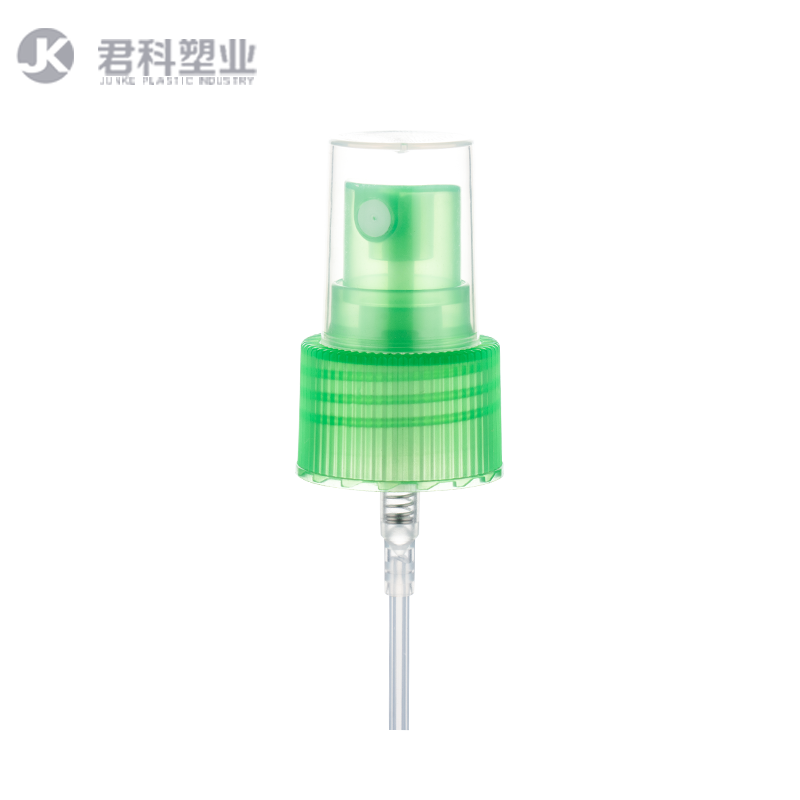 Ribbed Aluminum Fine Mist Sprayer for 30 ml BottlesOffered in 18/410, 20/410, and 24/410, this ribbed aluminum sprayer fits compact 30 ml perfume packs and can deliver delicate or larger-particle mist.View Product →
Fine mist sprayers are the natural partner for a 1 oz bottle. A well-made mist sprayer delivers between 0.05 ml and 0.1 ml per stroke, which means a 29.57 ml fill gives the user somewhere between roughly 295 and 590 sprays. That is precisely the range perfume, facial toner, and hand sanitiser brands look for, because the pack has to feel generous on the first day and still work on the last.
Lotion and emulsion products in the same bottle size follow a different logic. A 30 ml serum or body lotion usually carries a pump rather than a spray head, and the pump output is measured in whole millilitres or cubic centimetres instead of fractions of a millilitre. The choice between those two dispensing styles determines almost everything else about the bottle, including its neck finish, its internal valve geometry, and the number of small parts inside it.
Inside a 1 oz Bottle: The Small Parts That Decide Whether It Works
A 30 ml dispenser looks like a single object on the shelf. Inside, it is an assembly of precision components, each of which has to hold a tolerance measured in fractions of a millimetre.
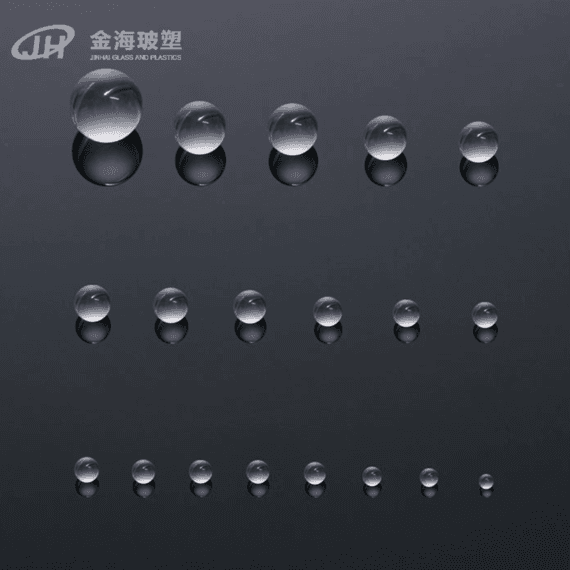
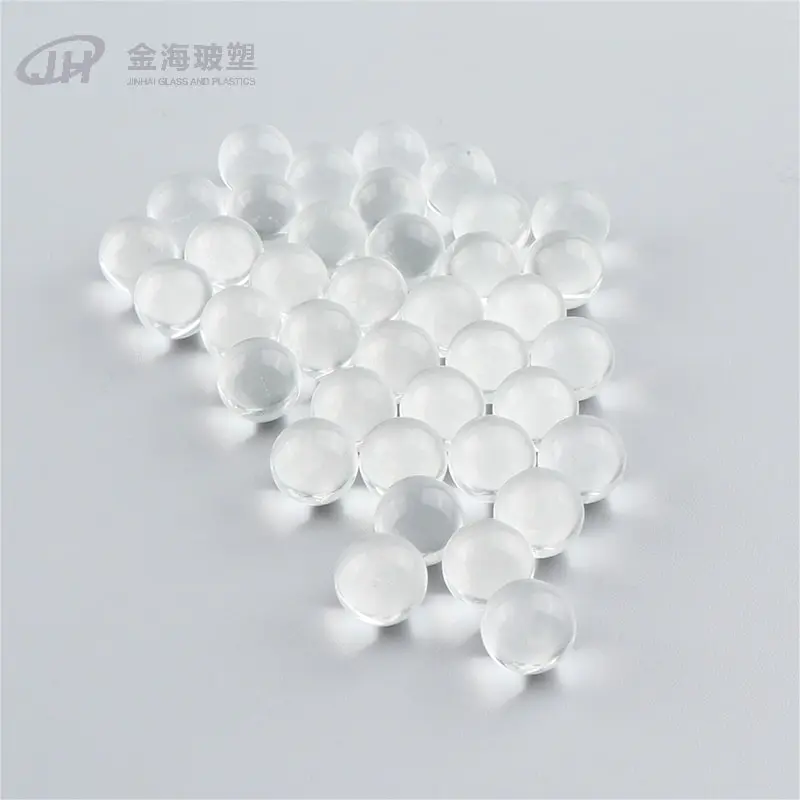
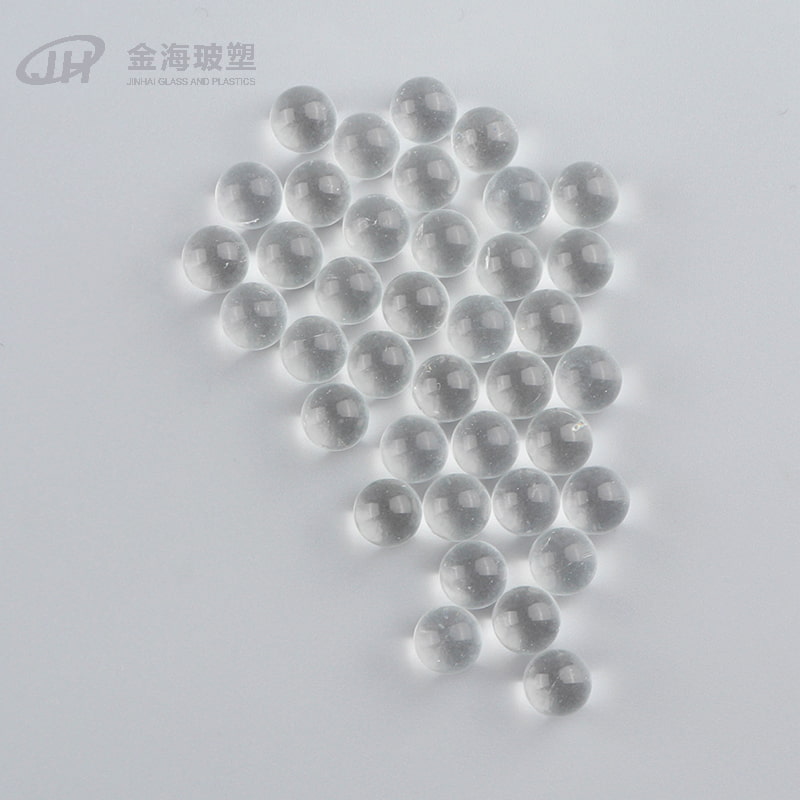
The glass ball
Sits in the check valve and seals the inlet between strokes. Its roundness and surface finish determine whether the valve closes reliably or drips.
The stainless steel spring
Returns the piston after each press. Grade 304 or 316 wire resists corrosion from aqueous, alcohol-based, and mildly acidic formulas.
The PE foam gasket
Forms the seal between the bottle neck and the pump collar. Without it, a 30 ml bottle leaks slowly through the threads during transport.
The dip tube
Reaches the base of a narrow 30 ml bottle. Tube diameter and tip position decide how much of the 29.57 ml fill actually leaves the pack.
The piston and housing
Form the metering chamber. Their fit controls dose accuracy, which matters far more in a small pack than in a large one.
The actuator and cap
Define the user's first impression and protect the contents from accidental discharge in a bag or pocket.
The check valve ball is the component that quietly does the most work. In a 30 ml package the valve has very little space to operate in, so the ball has to be round to a tight tolerance, dimensionally consistent from batch to batch, and chemically stable against whatever is being dispensed, whether that is an alcohol-heavy sanitiser or an oil-based serum.
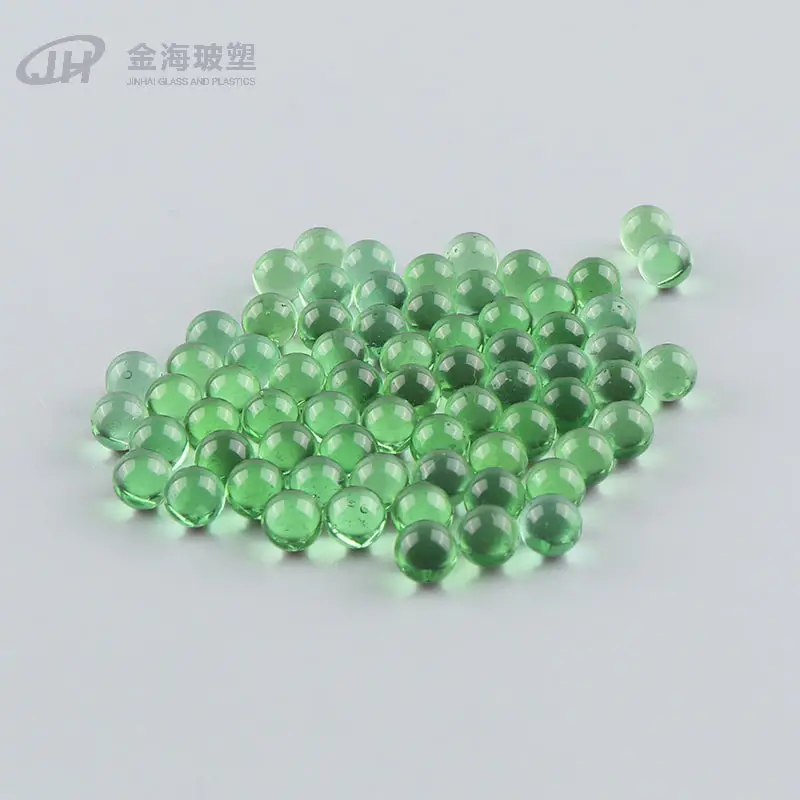 High Precision Glass Balls for Pump Systems and Spray Beads2 mm–5 mm glass balls for pump systems and spray beads offer smooth surfaces and chemical stability in compact 1 oz valve assemblies.View Product →
This is one reason glass remains a common valve material rather than plastic. Soda-lime glass provides high hardness, excellent chemical resistance, and a smooth surface that resists build-up, and it does not swell or deform when it meets a challenging formula. For brand owners specifying a 1 oz pack, the small parts are where a good-looking design either becomes a reliable product or an expensive return rate.
Matching a Neck Finish to a 1 oz Bottle
Once the fill volume is settled at roughly 30 ml, the neck finish becomes the next fixed decision, because it determines which dispensers can be fitted without an adapter.
| Neck finish | Typical bottle size | Common application | Typical dose per stroke |
|---|---|---|---|
| 18/410 | 10 to 30 ml | Perfume, facial toner mist | 0.05 to 0.1 ml |
| 20/410 | 30 to 50 ml | Hand sanitiser, toner, disinfectant | 0.1 ml |
| 24/410 | 30 to 100 ml | Serum, setting spray, nasal spray | 0.1 to 0.15 ml |
| 28/410 | 100 to 300 ml | Lotion, shampoo, hand soap | 2 to 4 ml |
| 33/410 | 250 to 500 ml | Body wash, conditioner | 4 ml |
For a true 1 oz bottle, 18/410 and 20/410 dominate. Both are narrow, both suit fine mist and small-dose pump heads, and both are widely available in aluminium, plastic, and hybrid finishes. The 24/410 finish appears on slightly wider 30 ml formats and is the practical ceiling for a bottle this small, because a 28/410 collar would look disproportionate on a 30 mm diameter body.
Dosing Math: How Many Pumps Are in 1 oz of Product
Fill volume and dose size together define the user experience of a small pack. A 29.57 ml fill divided by the dose per stroke gives the number of actuations the customer will get from the bottle, and that number is often the difference between a product that feels economical and one that feels stingy.
| Dispenser type | Output per stroke | Actuations in 1.0 oz |
|---|---|---|
| 4cc lotion pump | 4 ml | About 7 |
| 2cc screw pump | 2 ml | About 15 |
| 0.15 ml mist sprayer | 0.15 ml | About 197 |
| 0.10 ml fine mist sprayer | 0.10 ml | About 295 |
| 0.05 ml micro sprayer | 0.05 ml | About 591 |
The table makes a useful point about tolerance. In a 30 ml bottle with a 4 ml pump, a ten percent error in dose size changes the user's total experience by roughly one press, which is invisible. In a 30 ml bottle with a 0.05 ml micro sprayer, the same ten percent error changes the count by nearly sixty sprays, which is very visible on a product that promises "around 600 uses". Small packs amplify small errors, and that is why dose consistency is engineered rather than assumed, as explained in this look at how a 4cc pump keeps its dose accurate with every press.
Two practical rules follow. First, choose the dose size before the bottle, not after, because retrofitting a large-dose pump onto a 1 oz body wastes volume on every stroke. Second, test the full assembly with the real formula, since viscosity changes both the dose delivered and the number of strokes a user can realistically get from the pack.
Building a Complete 1 oz Travel Kit
A single 30 ml bottle is rarely sold alone. Travel sets, gift-with-purchase packs, and sample kits combine several 1 oz components that must look like a family while working as separate mechanisms.
The bottle side
A 30 ml body in glass, PET, or PP, with an 18/410 or 20/410 neck. Wall thickness and label area are the two constraints that shape the design brief. The cap has to close with a positive click so the pack survives being thrown into a bag.
The dispenser side
A fine mist sprayer for toners and sanitisers, a small-dose pump for serums, or a screw pump for thicker lotions. Each requires a different internal valve, spring length, and piston diameter to work properly in a 30 ml format.
The connecting element in most travel kits is the tube that carries product from the base of the bottle to the pump chamber. In a short, narrow 30 ml body, the tube has to be flexible enough to install without kinking, rigid enough not to collapse under suction, and cut to a precise length so that the tip sits just above the bottom.
 Flexible PE Tubes for Mini Sets and Travel-Size PackagingCustomizable polyethylene tubes suit mini sets and travel-size packs; their soft, tear-resistant, water-resistant material helps connect 30 ml bottles to pump chambers.View Product →
At Yuyao Jinhai Glass And Plastic Manufacturing Plant, this kind of miniature assembly work is familiar territory. The company produces the individual components, including glass balls, steel balls, plastic balls, PE gaskets, springs, and PE or PP tubes, as well as the complete pumps and sprayers that hold them, with mould-level customisation available for brands developing their own 1 oz packaging format. Because the parts and the finished dispenser come from the same production chain, a kit built around a 30 ml fill can be matched internally rather than assembled from parts that were never designed to sit next to each other.
Six Conversion and Specification Mistakes to Avoid
Most problems with a 1 oz pack trace back to a specification written in the wrong unit or interpreted in the wrong context. These are the errors that appear most often.
- Treating an imperial fluid ounce as if it were a US fluid ounce, which understates the fill by about 1.16 ml per bottle.
- Confusing an ounce of weight with an ounce of volume, so that a 1 oz fill is calculated as 28.35 ml instead of 29.57 ml.
- Rounding 1.0 oz to 30 ml in a formulation document and then treating the 30 ml figure as exact in a regulatory submission.
- Choosing a pump for its appearance before checking its output, then discovering that a 30 ml fill disappears in seven presses.
- Specifying a neck finish from a photo instead of the drawing, which results in a 24/410 collar that will not seat on an 18/410 bottle.
- Ignoring the internal check valve and gasket during sampling, so a pack that sprays perfectly on day one leaks in transit on day thirty.
FAQ: 1.0 oz to ml and Small-Bottle Packaging
Is 1.0 oz exactly 30 ml?
No. 1.0 US fluid ounce is 29.5735 ml, and 30 ml is 1.014 oz. The two are treated as equivalent in packaging because bottle moulds are made in round numbers.
How many ml is 1 oz of water?
29.5735 ml. A fluid ounce measures volume, so the answer is the same for water, oil, alcohol, and emulsion, regardless of the liquid's density.
How many ml is 0.5 oz?
0.5 US fluid ounce is 14.79 ml. This is the usual size for a sample vial or a mini perfume.
How many ml is 1.7 oz?
1.7 US fluid ounces is 50.28 ml, the familiar size for an eau de parfum or a face serum bottle.
Does 1 oz by weight equal 1 oz by volume?
No. One avoirdupois ounce is 28.3495 grams. For water the numbers happen to look similar, which is exactly why the two are so often mixed up.
What neck size fits a 1 oz bottle?
Most 1 oz bottles use an 18/410 or 20/410 finish. Wider 30 ml formats sometimes take 24/410. Always confirm against the bottle drawing before ordering dispensers.
How many sprays does a 1 oz bottle give?
It depends entirely on output. At 0.1 ml per stroke a 29.57 ml fill gives about 295 sprays, while at 0.05 ml per stroke it gives about 591.
Why does a 1 oz pack leak more often than a large one?
Small bottles have less thread engagement and smaller sealing surfaces, so the PE foam gasket and the check valve ball carry proportionally more responsibility for keeping the contents inside.
Converting 1.0 oz to ml takes one multiplication: 1.0 oz is 29.5735 ml, and in packaging terms it is a 30 ml bottle. What takes longer is deciding what goes inside that bottle. Fill volume, neck finish, dose per stroke, and the small internal parts all have to agree with one another before a 1 oz pack behaves the way a customer expects. Get the conversion right, then let the components do the rest.