


 English
 中文简体
 русский
 Español

Nov 23,2026
Content
- 1 1.5 mL to oz at a Glance
- 2 The Formula Behind 1.5 mL to oz
- 3 A Quick Conversion Chart for Small Volumes
- 4 What 1.5 mL Looks Like in Everyday Terms
- 5 US or UK Fluid Ounces? The Difference Matters
- 6 Why Small-Volume Accuracy Matters in Pump Packaging
- 7 From 1.5 mL to a Working Pump Specification
- 8 Components That Help Hold a Tiny Dose Steady
- 9 A Buyer's Checklist for 1.5 mL Conversions
- 10 Frequently Asked Questions
1.5 mL to oz at a Glance
Quick answer: 1.5 mL equals about 0.0507 US fluid ounces. In everyday use, that is often rounded to 0.05 fl oz or 0.051 fl oz.
If you are working with UK or imperial fluid ounces, the same 1.5 mL is about 0.0528 fl oz. The difference is small in absolute terms, but it can matter when a formula, label, or pump specification is being checked.
The chart is not meant to make the difference look dramatic. It simply shows that the unit system you choose changes the number you write down, even when the milliliter value stays the same.
The Formula Behind 1.5 mL to oz
For US fluid ounces, divide the milliliter value by 29.5735295625. For UK fluid ounces, divide by 28.4130625. The first number is the one most online converters and US recipes use; the second appears in UK and imperial references.
- Start with 1.5 mL.
- Divide by 29.5735295625 for US fluid ounces.
- Round the result to four decimal places: 0.0507 fl oz.
To reverse the check, multiply 0.0507 by 29.5735. You return to roughly 1.5 mL. That round trip is a useful habit when a label, batch record, or packaging brief includes more than one unit.
US fluid ounce
1 US fl oz = 29.5735295625 mL. This is the common reference in US nutrition labels, recipe conversions, and many cosmetic packaging specifications.
UK fluid ounce
1 UK fl oz = 28.4130625 mL. It is slightly smaller than the US fluid ounce, so the same milliliter amount produces a slightly larger ounce value.
A Quick Conversion Chart for Small Volumes
| Milliliters (mL) | US fluid ounces (fl oz) | UK fluid ounces (fl oz) | Everyday reference |
|---|---|---|---|
| 1 mL | 0.0338 | 0.0352 | A very small drop-based amount |
| 1.5 mL | 0.0507 | 0.0528 | Small sample or travel-size dose |
| 2 mL | 0.0676 | 0.0704 | About a small pump dose |
| 5 mL | 0.1691 | 0.1760 | Common teaspoon range |
| 10 mL | 0.3381 | 0.3520 | Small bottle or vial |
| 15 mL | 0.5072 | 0.5280 | Half-ounce range |
| 30 mL | 1.0144 | 1.0559 | Close to one US ounce |
Use the chart as a planning reference. For a regulated fill, a laboratory check, or a production line setting, use calibrated equipment and the unit definition required by your market.
What 1.5 mL Looks Like in Everyday Terms
Teaspoons
1.5 mL is about 0.304 US teaspoons. It is far less than a full teaspoon, which is why kitchen spoons are not reliable for small, precise volumes.
Droppers
A drop is not a fixed unit; it changes with the liquid and the dropper tip. As a rough reference, 1.5 mL may be around 30 drops, but a calibrated pipette is better for exact work.
Pump strokes
One cubic centimeter equals one milliliter, so 1.5 mL is 1.5 cc. A pump rated at 2cc or 4cc per stroke delivers more than 1.5 mL in a single full stroke.
Travel sizes
Sample vials, serum testers, fragrance minis, and single-use personal-care packs often sit in the 1 mL to 5 mL range. At that scale, a small conversion error is easy to see.
US or UK Fluid Ounces? The Difference Matters
A 1.5 mL sample is 0.0507 US fl oz but 0.0528 UK fl oz. The gap is about 4%. That may not sound like much, but it can affect a formula sheet, a customs document, or a packaging brief that crosses markets.
Use US fl oz when...
The specification comes from a US recipe, a US label, or a converter that states “US fluid ounces.” This is the common default for many general-purpose online tools.
Use UK fl oz when...
The document refers to imperial fluid ounces, UK recipes, or older UK packaging language. Check the label rather than assuming that “oz” always means the same thing.
Why Small-Volume Accuracy Matters in Pump Packaging
At Yuyao Jinhai Glass And Plastic Manufacturing Plant, we work with sprayer and pump components every day, so we tend to look at 1.5 mL from the factory floor as well as the kitchen counter. A 1.5 mL target can appear in sample bottles, travel cosmetics, fragrance vials, serum doses, and small personal-care applications. When a package is designed around that tiny volume, the pump, gasket, tube, and bottle opening all need to work together.
In packaging, dosing is often described in cc. One cubic centimeter equals one milliliter, so 1.5 mL is the same as 1.5 cc. A 4cc lotion pump is designed for a larger dose per stroke, while a 2cc screw pump sits closer to small personal-care doses. The point is not to force every pump into a 1.5 mL application; it is to match pump output, bottle neck size, and product viscosity to the job. For a closer look at dose control, see this explanation of how a 4cc liquid pump supports accurate dispensing.
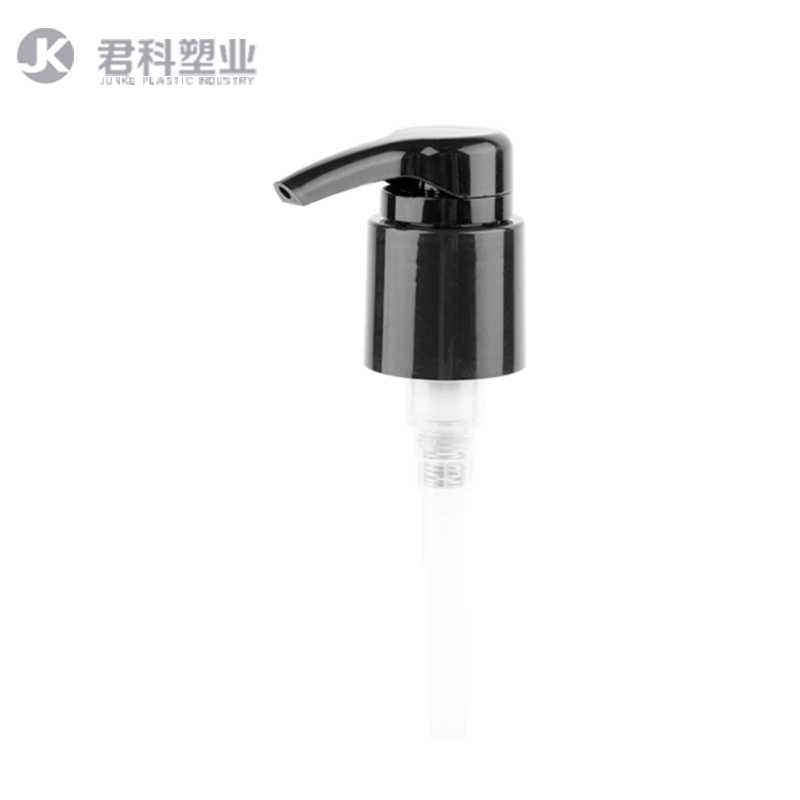 4.0CC Lotion Dispenser Replacement PumpA 4.0CC replacement pump for high-viscosity cosmetics, suited to checking larger per-stroke output and bottle-fit requirements before specification.View Product →
For formulators and buyers, the conversion is only one part of the checklist. The other parts are closure size, dip tube length, gasket compatibility, and the way the product flows through the pump chamber.
From 1.5 mL to a Working Pump Specification
If your target is a 1.5 mL fill or dose, a practical timeline helps keep the conversion connected to the package.
1. Define the target volume
Write the target in milliliters first, then convert to the ounce unit used by your market. Record whether it is US or UK fluid ounces.
2. Convert to cc for packaging
Use 1 mL = 1 cc. This makes it easier to compare the target with pump output, which is often listed as 2cc, 4cc, or another dose per stroke.
3. Match the pump and bottle
Check neck size, dip tube length, product viscosity, and whether the pump is a lotion pump, mist sprayer, screw pump, or trigger sprayer.
4. Test the real fill
Run a physical test with the actual liquid. A conversion on paper does not account for residual liquid, priming, or the way a thick product moves through a narrow tube.
For small personal-care bottles, a 2cc screw pump can be a sensible reference point when the desired dose is close to 1.5 mL and the formula is compatible with the pump chamber.
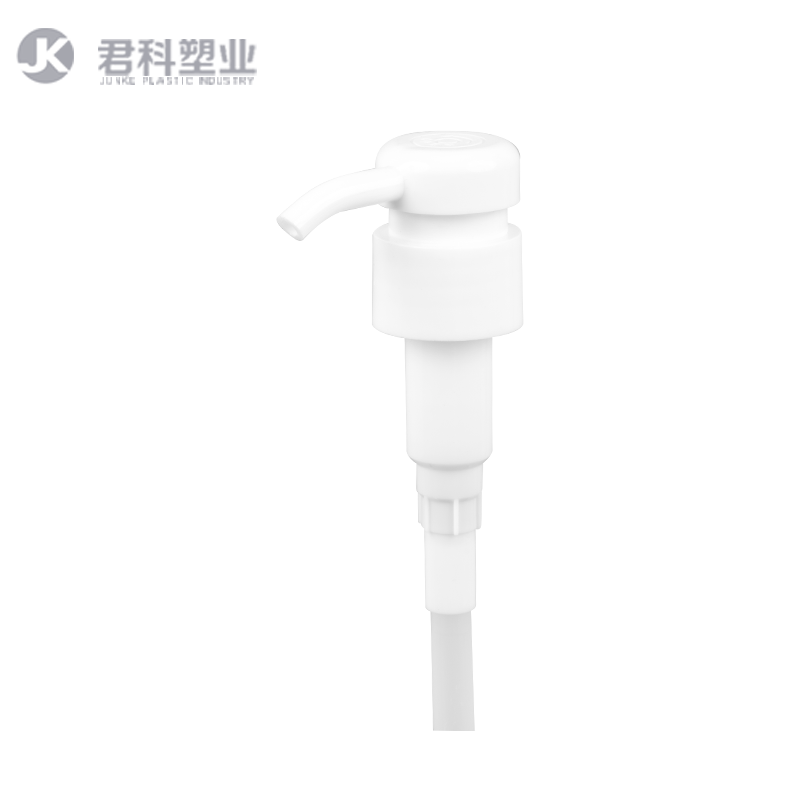 2cc Screw Lotion Pump for Personal Care BottlesA 2cc screw lotion pump for personal care bottles, available in 28/410 and 33/410 neck options, positioned near small personal-care dose requirements.View Product →
Components That Help Hold a Tiny Dose Steady
Glass balls
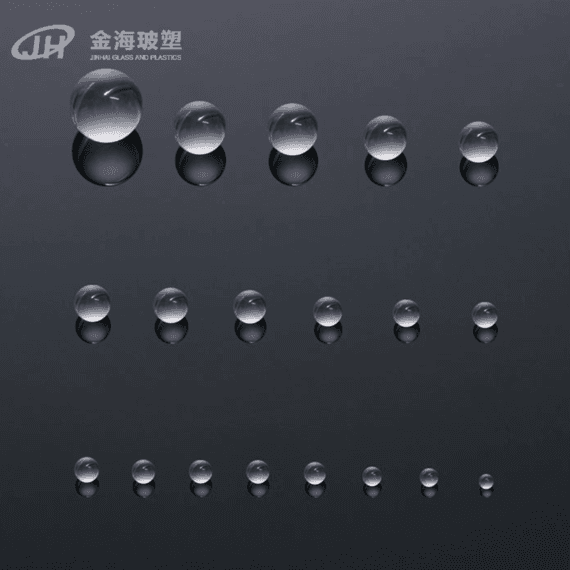
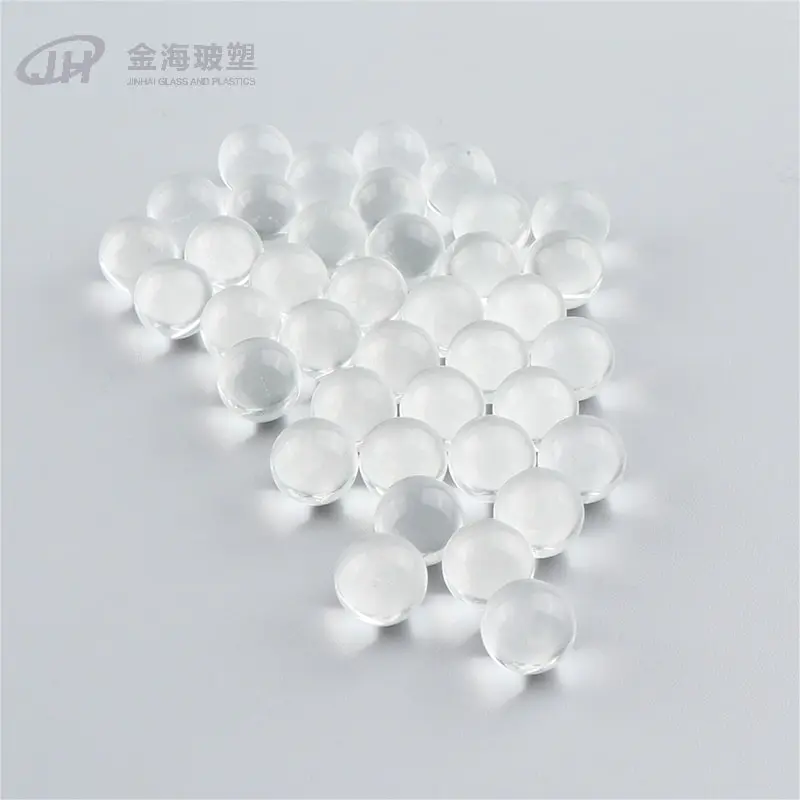
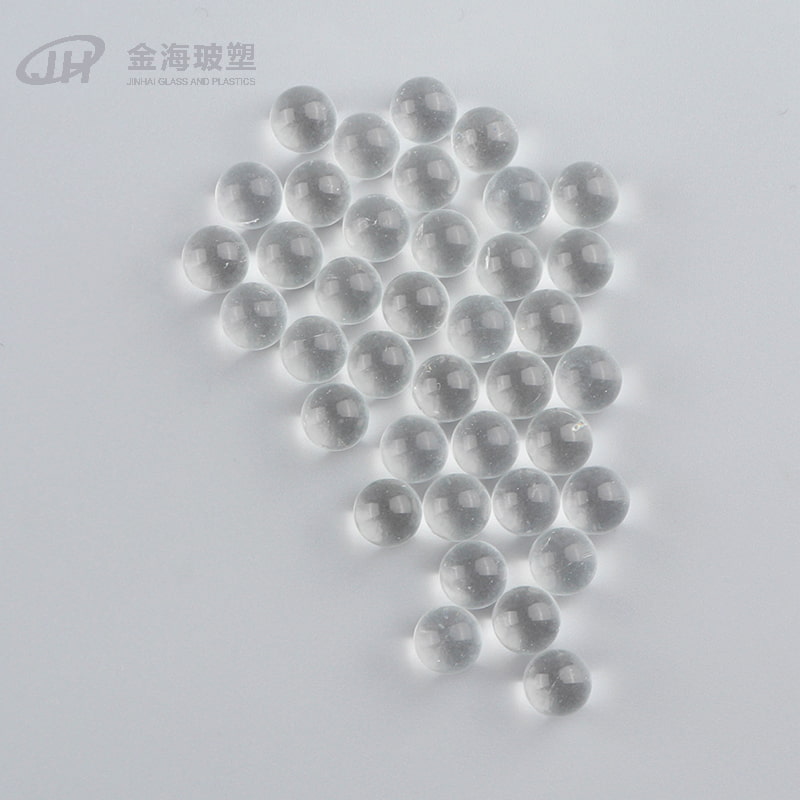
Precision glass balls are used in pump systems and sprayer components. Roundness, surface quality, and chemical stability help the assembly behave consistently.
PE gaskets
Sealing gaskets support leak resistance and help protect the product during storage and transport. A good seal is especially important when the fill volume is small.
Springs
Small stainless steel springs sit inside many pump designs. Their compression behavior affects the return action and the repeatability of each stroke.
Dip tubes
PE and PP tubes carry liquid from the bottle to the pump. Tube length and fit can change how much product is available near the end of use.
This is where a component such as a precision glass ball for pump systems earns its place: small parts influence the repeatability of the whole assembly, even when the final fill is only 1.5 mL.
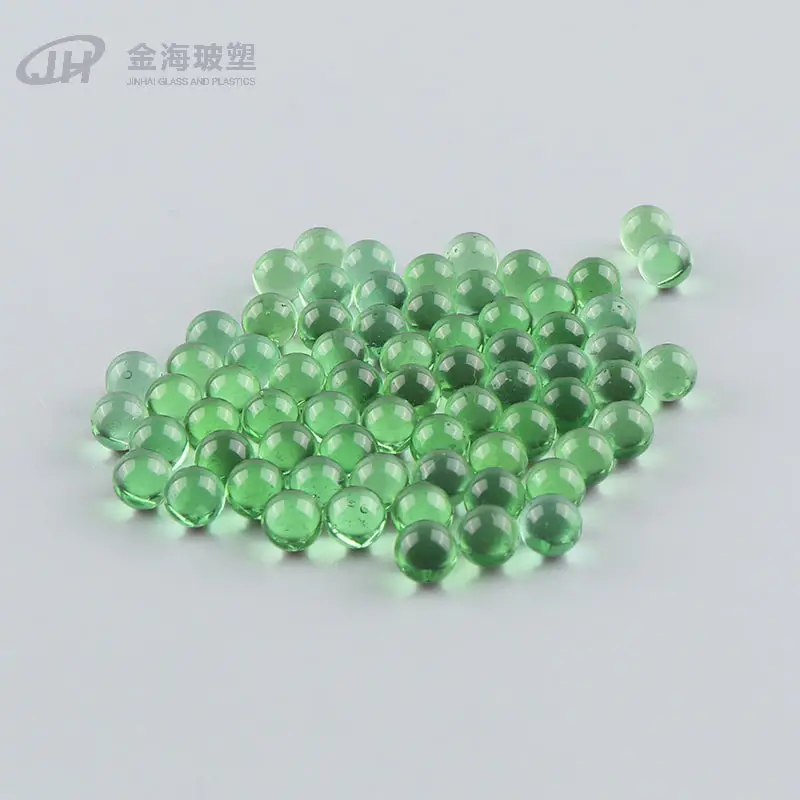 High-Precision Glass Balls for Pump SystemsPrecision glass balls in 2mm–5mm sizes for pump and spray systems, relevant when small components need consistent roundness and surface quality in the assembly.View Product →
A Buyer's Checklist for 1.5 mL Conversions
- Confirm whether the ounce figure is US fluid ounces or UK fluid ounces.
- Use the formula, not a rounded memory value, when the number will appear on a label or specification.
- Remember that 1 mL equals 1 cc when comparing the fill volume with pump output.
- Check pump dose, neck size, dip tube length, and product viscosity before approving a package.
- Test with the actual liquid, because water, serum, lotion, and oil do not flow the same way.
- Round only at the final step, and state the rounding rule if the figure is going into a technical document.
Frequently Asked Questions
Is 1.5 mL the same as 1.5 oz?
No. 1.5 mL is about 0.0507 US fluid ounces, while 1.5 US fluid ounces is about 44.36 mL. The two values are very different.
How many ounces is 1.5 mL rounded?
About 0.05 US fluid ounces, or 0.051 fl oz when rounded to three decimal places. The more precise figure is 0.0507 US fl oz.
Does 1.5 mL equal 0.05 oz exactly?
No. It is approximately 0.0507 US fluid ounces. 0.05 is a convenient rounding, not an exact equality.
Why do US and UK fluid ounces differ?
They are based on different gallon definitions. A US fluid ounce is about 29.5735 mL, while a UK fluid ounce is about 28.4131 mL.
How does this matter for pump packaging?
Small fill volumes need consistent pump output. Since 1.5 mL equals 1.5 cc, a pump rated at 2cc or 4cc per stroke should be evaluated against the target dose, formula viscosity, and bottle closure.