


 English
 中文简体
中文简体 русский
 Español
Sep 14,2026
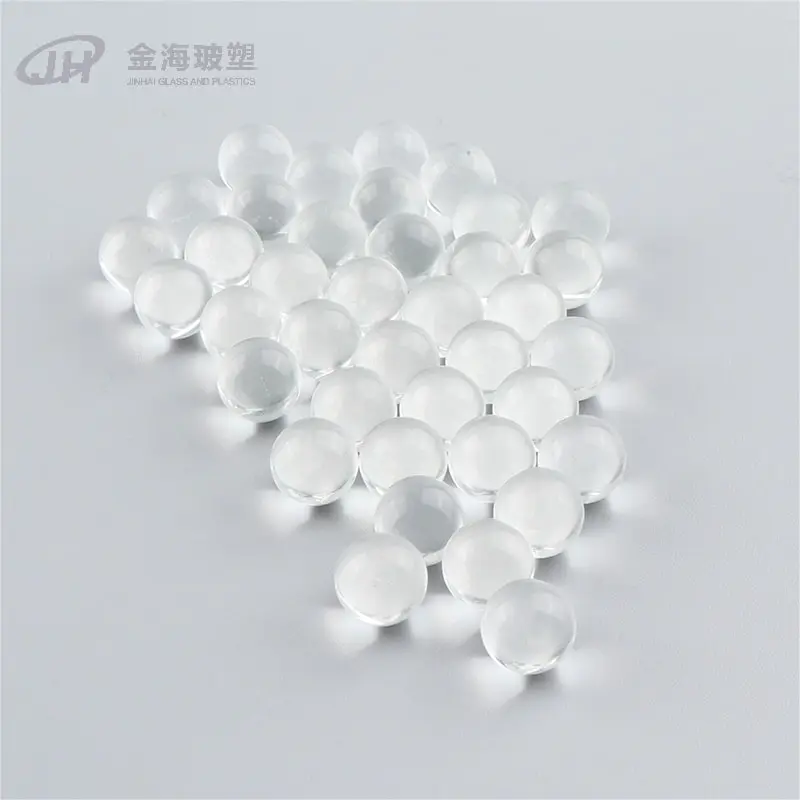
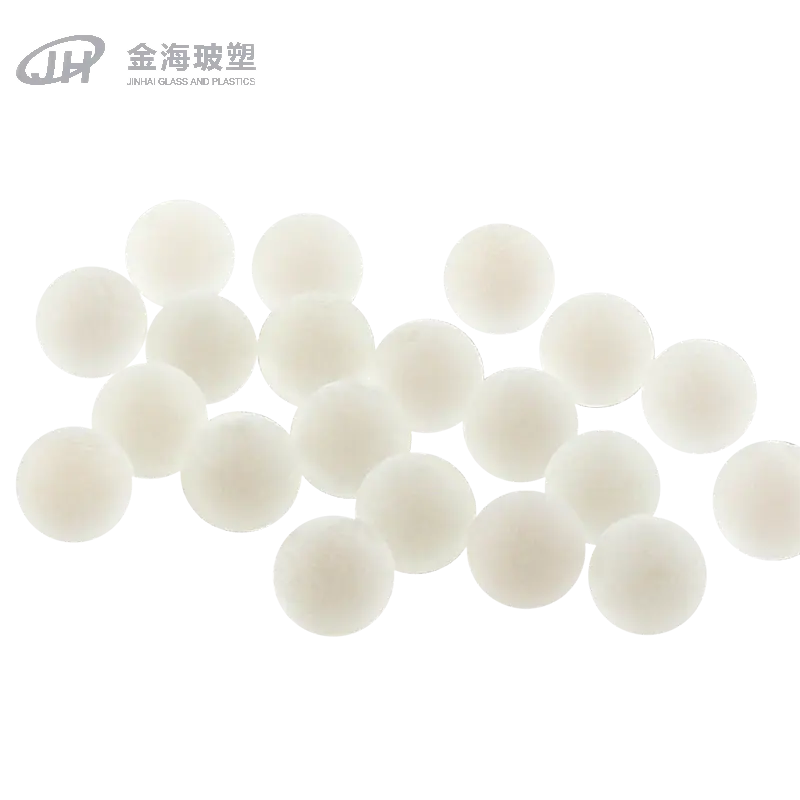
A Cosmetics POM/PP ball is a small but essential precision component used inside cosmetic dispensing systems. It is typically manufactured from POM (Polyoxymethylene, also called acetal) or PP (Polypropylene) and shaped into a highly accurate sphere. Although consumers rarely see it, this ball plays a decisive role in ensuring that cosmetic products are dispensed smoothly, safely, and consistently. It is most commonly found in lotion pumps, cream pumps, spray pumps, foam pumps, and airless packaging systems.
From a functional perspective, the POM/PP ball is primarily used as a check valve element. During pump operation, the ball moves up and down to open or close the fluid channel. When pressure is applied, the ball lifts to allow the cosmetic formula to flow upward. When pressure is released, gravity and fluid pressure push the ball back into its seat, sealing the channel. This simple mechanical action prevents backflow, reduces air intake, and protects the formula from contamination, making it a critical part of modern cosmetic packaging design.
Material choice is central to the performance of these balls. POM balls are valued for their high hardness, low friction coefficient, excellent wear resistance, and dimensional stability. These properties make them ideal for high-end or airless packaging systems that require precise sealing and long service life. PP balls, on the other hand, are lightweight, cost-effective, and highly resistant to many cosmetic ingredients, making them suitable for mass-market cosmetic pumps and standard formulations.
Beyond functionality, Cosmetics POM/PP balls also contribute to user experience and brand perception. A pump that dispenses evenly, does not leak, and feels smooth in operation enhances consumer satisfaction and reinforces product quality. Poor-quality valve components, by contrast, can lead to clogging, dripping, or inconsistent dosing, which negatively impacts both the product and the brand.
As cosmetic formulations become more sophisticated—incorporating active ingredients, higher viscosities, and sensitive compounds—the role of internal components like POM/PP balls becomes even more important. They must withstand repeated use, chemical exposure, and environmental stress without deforming or degrading.
Material Comparison of Cosmetics POM/PP Balls
| Property | POM Ball (Acetal) | PP Ball (Polypropylene) |
|---|---|---|
| Mechanical strength | Very high | Medium |
| Friction coefficient | Very low | Low |
| Chemical resistance | Good | Excellent |
| Dimensional stability | Excellent | Good |
| Cost | Higher | Lower |
| Typical applications | Airless pumps, premium packaging | Standard lotion and cream pumps |
In cosmetic packaging systems, the POM/PP ball also plays a critical role in hygiene and product preservation. By minimizing air backflow into the container, it reduces oxidation and microbial exposure. This is especially important for formulas that are preservative-sensitive or designed for long-term use. In airless systems, the ball works together with pistons and seals to maintain a near-vacuum environment, extending shelf life and improving formula stability.
Another key role of the Cosmetics POM/PP ball is dose accuracy. Each pump stroke relies on the ball’s precise movement to control how much product is released. This ensures consistent output, which is crucial for products such as serums, treatments, and medical-grade cosmetics where dosage matters. Precision-molded balls with tight tolerances help manufacturers meet both regulatory and consumer expectations.
From a manufacturing standpoint, these balls must meet strict quality standards. Surface smoothness, roundness, and size tolerance directly affect sealing performance. High-quality POM/PP balls are often produced using advanced injection molding or precision machining, followed by inspection processes such as optical measurement or automated sorting.
While small in size, a Cosmetics POM/PP ball is a vital functional component that supports dispensing performance, product safety, durability, and overall packaging quality. Selecting the right material and specification is a key decision for cosmetic packaging engineers and brand owners alike.
FAQ
Q1: Is a POM ball better than a PP ball for cosmetic packaging?
Not necessarily. POM balls offer higher precision and durability, while PP balls provide excellent chemical resistance and cost efficiency. The choice depends on formulation and packaging requirements.
Q2: Are Cosmetics POM/PP balls safe for skin-contact products?
Yes. Both POM and PP are widely used in cosmetic packaging and comply with relevant safety and regulatory standards when properly sourced.
Q3: Can POM/PP balls be used in airless cosmetic packaging?
Yes. POM balls are especially common in airless systems due to their sealing accuracy and wear resistance.
Q4: Do these balls affect the shelf life of cosmetics?
Indirectly, yes. By preventing air backflow and contamination, they help maintain product stability and extend shelf life.
References
- PlasticsEurope – Polyoxymethylene (POM) Material Properties and Applications
- ISO 22715:2023 – Cosmetic Packaging — Materials and Compatibility
- Dow Chemical – Polypropylene in Cosmetic Packaging Applications
- Cosmetics & Toiletries Magazine – Pump and Valve Technologies in Modern Cosmetic Packaging